Biographical Dictionary of Iberian Railways
Biographical Dictionary of Iberian Railways
Claudio Moyano Samaniego
Claudio Moyano Samaniego (30-10-1809-07-03-1890), perteneció a una familia de ideas liberales, ya como estudiante se distinguiría por sus planteamientos avanzados, aunque desecharía momentáneamente su paso a la actividad política. Estudiaría latín y filosofía y letras en la Universidad de Salamanca, pasando posteriormente a la de Valladolid, donde se doctoró en Derecho en 1833. Pronto accedería a puestos de responsabilidad en la propia universidad, ya que en 1835 sería nombrado catedrático de Derecho Civil de la Universidad de Valladolid, y poco después de Economía Política. Liberal. También comenzaría su actividad política al acceder en 1841 a la alcaldía constitucional de Valladolid, donde alcanzaría gran popularidad. En mayo de 1843, junto a la milicia, tomó parte activa en la sublevación contra Espartero, formando parte posteriormente de la Junta Provincial. Nombrado Rector de la Universidad de Valladolid su carrera política se encontraba ya completamente lanzada cuando accede a diputado a Cortes por esa misma provincia en 1844, siendo reelegido al año siguiente por su provincia natal de Zamora. Se distinguió por su fácil oratoria y su talante conciliador entre moderados y progresistas, figurando en lo que se denominó como partido de centro. En el ámbito de la universidad se distinguió por las numerosas reformas que llevó a cabo, estableciendo un laboratorio de química, gabinetes de física e historia natural, renovando el instrumental para el gabinete de medicina y cirugía, y la dotación de un local adecuado para la biblioteca de la universidad.
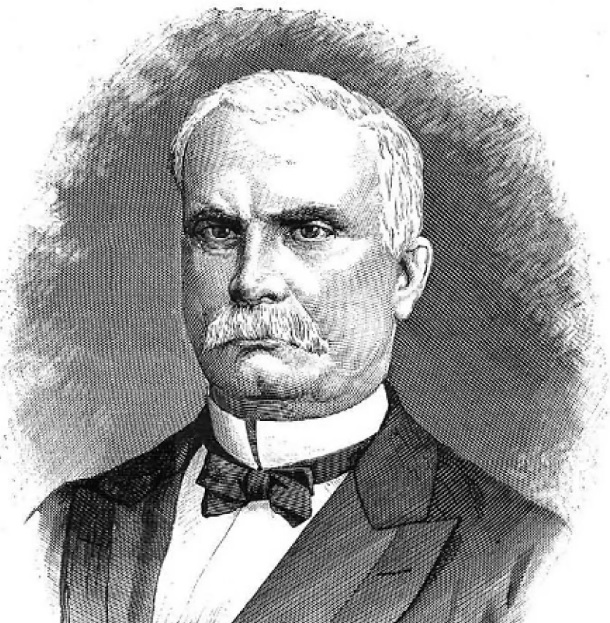
Accedería en 1850, por breve tiempo, al rectorado de la Universidad de Madrid. En la actividad parlamentaria alcanzaría gran notoriedad su duro enfrentamiento en 1851 con Bravo Murillo, a la sazón presidente del Consejo de Ministros, al que acusaría de inmoralidad. En 1853, bajo la presidencia de Lersundi, accedería por primera vez a una cartera ministerial, la de Fomentob. Aunque su presencia fue muy breve, apenas dos meses, volvería a ser ministro de Fomento en 1856, con Narváez, en un periodo de gran actividad legislativa, tanto en el terreno de las obras públicas como en el de la instrucción. Además de ser responsable de la aprobación de numerosos expedientes de ferrocarriles que salieron adelante en este momento de expansión del negocio, promulgaría dos leyes de gran importancia, la de carreteras de julio de 1857 y, sobre todo, la de reforma de la enseñanza que lleva su nombre. Volvería a ser ministro brevemente en 1864, y desde entonces centraría su actividad política en el parlamento y en el mundo universitario, al que representaría en el Senado entre 1881 y 1883. En 1886 sería nombrado senador vitalicio por Sagasta.
Pertenecía a la Academia de Ciencias Morales y Políticas desde su fundación y había sido presidente de la Academia de Jurisprudencia y Legislación. Además, desde 1864 estaba en posesión de la gran cruz de Carlos III.