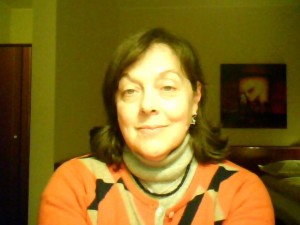
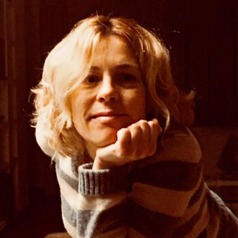
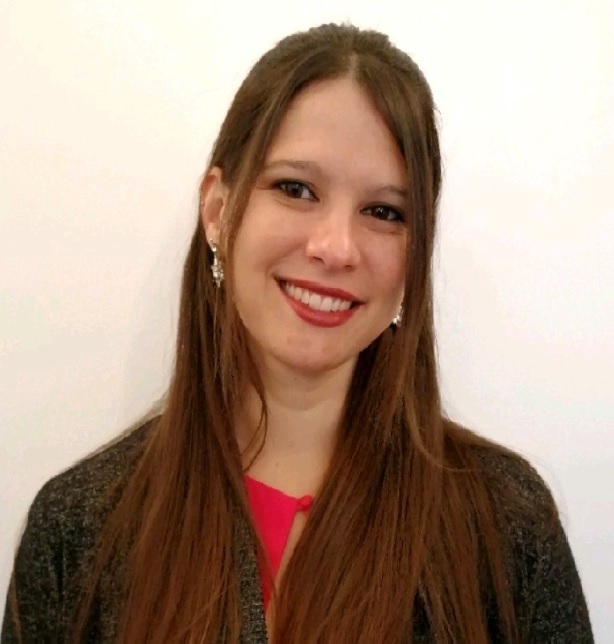
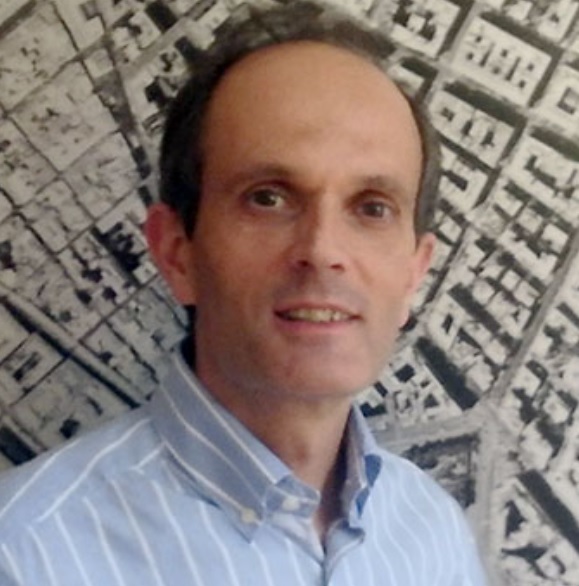
Estudió historia en la Université de Paris I Panthéon-Sorbonne, donde se doctoró. Fue profesora y catedrática del ISCTE desde 1977, donde ha coordinado el doctorado en Historia Moderna y Contemporánea. Es Profesora Emérita desde 1987 (13 de enero) – Doctorat Nouveau Régime/ Universidad de París I Panthéon /Sorbonne bajo la dirección del profesor Jean Bouvier (entonces presidente del Institut d’Histoire Economique et Sociale), y ha recibido tres menciones honoríficas – Chemins de fer, Structure Financière de l ‘Etat et Dépendance Extérieure au Portugal -1850/1890). Ha centrado su investigación en la historia de los ferrocarriles, la historia urbana, las finanzas públicas, la biografía y la memoria.
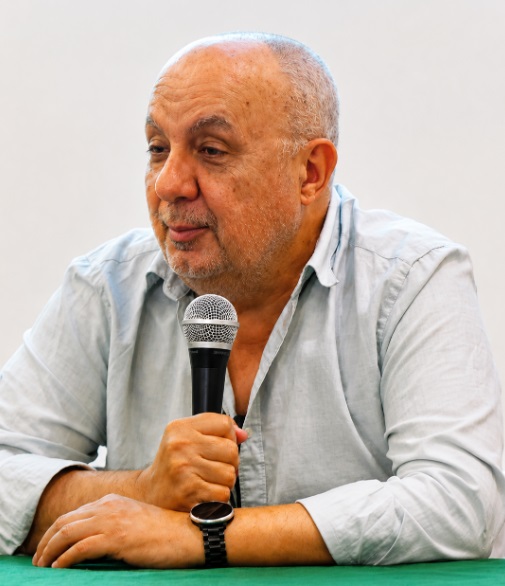
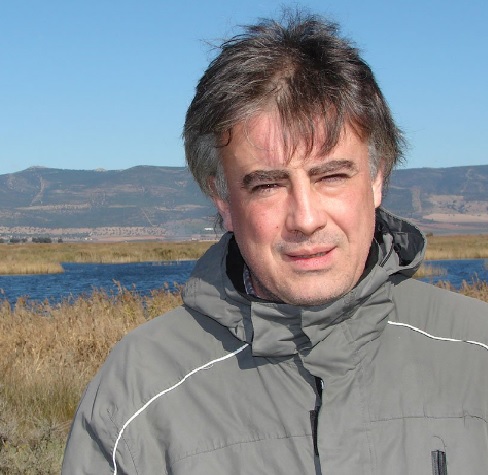
Miguel Muñoz Rubio
Historiador formado en la Universidad Autónoma de Madrid, cuya actividad profesional ha desarrollado en la Fundación de los Ferrocarriles Españoles, donde ha sido director de Investigación Histórica, de la Biblioteca Ferroviaria y Archivo Histórico Ferroviario, y del Museo del Ferrocarril de Madrid. También ha ejercido como profesor en la Facultad de Ciencias Económicas y Empresariales (UAM), y profesor-colaborador en el Master de Archivística de la Universidad Carlos III de Madrid. Sus investigaciones están centradas en la historia del transporte desde sus vertientes económica, tecnológica y social: las empresas públicas; la aportación al crecimiento económico español; y la historia social de los ferrocarriles españoles. Es autor de varias decenas de monografías, capítulos de libros y artículos de revistas. Ha sido fundador y director de la revistaTST; vocal en representación del Ministerio de Cultura Español de la Comisión Superior Calificadora de Documentos Administrativos entre 2006 y 2009; vicepresidente de la Asociación Internacional de Historia de los Ferrocarriles; y presidente de la Asociación Ibérica de Historia Ferroviaria.
Presidenta
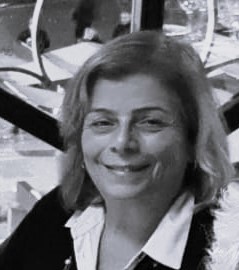
Ana Cardoso de Matos
Historiadora, Professora Emérita da Universidade de Évora-ECS-Departamento de História e membro do Centro de Investigação CIDEHUS/UÉ. Entre 2007 e abril de 2025 foi a coordenadora na Universidade de Évora do mestrado Erasmus Mundus Master TPTI – Techniques, patrimoines, territoires de l’industrie. É membro do Conselho Consultivo da Fundação do Museu Nacional Ferroviário; do board da International Railways History Association (IRHA); do Comité d’Histoire de l’electricite et de l’energie, Fondation EDF. Pertence ao conselho editorial da revista TST-Transportes, servicios y telecomunicaciones e do Journal of Energy History (JEHRHE), e ao conselho científico das revistas Patrimonio Industriale–Rivista AIPAI . Os seus trabalhos centram-se na história da tecnologia (gás, eletricidade e água), na história dos engenheiros e do caminho de ferro.
Vicepresidentes
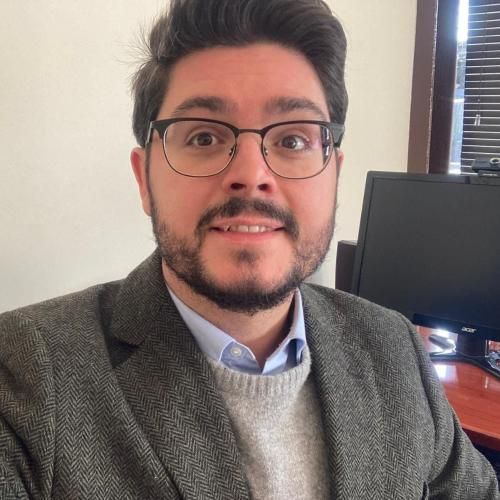
Jordi Martí Hennerberg
Catedrático de Geografía Humana en la Universidad de Lleida. Ha dirigido diversos proyectos de investigacion sobre la evolución y el efecto transformador de la red ferroviaria en Europa. Los resultados de un estudio sobre el impacto urbano del ferrocarril en España y Portugal puede consultarse en www.ciudadyferrocarril.com. Sus publicaciones (consultables en https://scholar.google.es/citations?hl=es&user=r5jGFAsAAAAJ) se han centrado en el estudio del conjunto de Europa y de áreas más específicas: la Península Ibérica, Reino Unido, Paises Nórdicos y Balcanes.
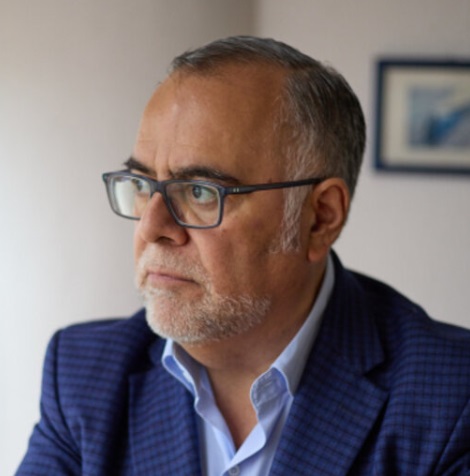
Aurora Mª Martínez Corral
Aurora Martínez Corral, profesora asociada del Dpto. de Construcciones Arquitectónicas de la Universitat Politécnica de Valencia (UPV), es arquitecta (1999) y doctora en arquitectura (2012) por la UPV. Combina el ejercicio de la profesión durante más de 20 años como profesional liberal, con la docencia y la investigación. Centra su investigación en el patrimonio ferroviario, especialmente en la vertiente histórico-arquitectónica y constructiva y en el análisis sobre sostenibilidad de materiales y construcción dentro del Instituto Universitario de Tecnología de Materiales de la UPV (IUTM). aumarcor@csa.upv.es. https://orcid.org/0000-0001-8222-0864. Blog COVIFER, Dialnet..
Secretario
Francisco de los Cobos
Doctor en Sociología, licenciado en Ciencias Políticas y Sociología y experto universitario en Estudios Cooperativos por la Universidad Complutense. Trabaja como profesor Titular en la Universidad de Castilla-La Mancha. Departamento de Filosofía, Arte, Sociología y Estética. Sus líneas de investigación son los aspectos sociales del ferrocarril y la historia social del trabajo.
Vocales
Eduardo Abad García
Profesor en el Área de Historia e Instituciones Económicas del Departamento de Economía de la Universidad de Oviedo. Mi investigación se ha centrado en la perspectiva transnacional de la disidencia ortodoxa en el comunismo mundial entre 1968 y 1991. También me interesa la violencia política durante la Transición española. Recientemente, he comenzado a investigar los imaginarios económicos del movimiento obrero en Asturias durante la Segunda República y la Guerra Civil.
Guillermo A. Guajardo Soto
Doctor en Estudios Latinoamericanos por la UNAM (1997), Maestro en Estudios Latinoamericanos (Historia) por la UNAM (1995) y Licenciado en Historia por la Facultad de Filosofía y Humanidades, Universidad de Chile (1988). Ingresó a la UNAM en 2003 y en la actualidad es Investigador Titular “C” de Tiempo Completo Definitivo en el Programa de Investigación Ciencia y Tecnología del Centro de Investigaciones Interdisciplinarias en Ciencias y Humanidades (CEIICH) de la UNAM. Desde 2004 es miembro del Sistema Nacional de Investigadores-CONACYT con el Nivel II.
Fernanda de Lima Lourencetti
Doutorada em História pela Universidade de Évora, é arquiteta pela Universidade Estadual Paulista “Júlio de Mesquita Filho” (UNESP-Bauru) e obteve o mestrado através do Master Erasmus MUNDUS TPTI – Techniques, Patrimoine, Territoires de l’Industrie. Sua investigação é centrada no património ferroviário, com maior enfase na área da história do urbanismo e da arquitetura. Atualmente é membro investigador integrado no Centro Interdisciplinar de História, Culturas e Sociedades da Universidade de Évora (CIDEHUS/UE) e prestadora de serviços nas áreas da arquitetura e do urbanismo.
Pedro Pablo Ortúñez Goicolea
Catedrático de Historia e Instituciones Económicas en la Universidad de Valladolid, disciplina en la que desarrolla su actividad docente. Su investigación principal se sitúa en el ámbito del sistema ferroviario español antes de la nacionalización, su regulación y la historia de las empresas y el sector público. Es vicepresidente del Consejo de la International Railway History Association y editor-adjunto del Consejo de Redacción de la Revista Transportes, Servicios y Telecomunicaciones.
Tesorero
Víctor Sanchís Maldonado
Graduado y doctor en Economía e Historia y en el máster de Historia Contemporánea de la UAM. Actualmente trabaja como investigador predoctoral en el departamento de Economía Aplicada I e Historia e Instituciones Económicas de la Universidad Rey Juan Carlos. Su actividad investigadora se centra en el desarrollo de la red de ferrocarriles española durante el siglo XIX y en las implicaciones económicas, sociales y políticas de su construcción.
Editor de TST
Carles Gorini
Carles Gorini es Doctor en Historia, máster en Comunicación y Estudios Culturales y periodista, colegiado en el Col·legi de Periodistes de Catalunya. Investigador en el Institut Català de Recerca en Patrimoni Cultural (ICRPC). En el ámbito del patrimonio cultural ha centrado su trabajo en la elaboración de inventarios del patrimonio arquitectónico local. Posteriormente, ha fijado la atención en el patrimonio histórico del ferrocarril en Cataluña, campo en el que ha realizado diferentes trabajos de inventario y de investigación fruto de los acuerdos de colaboración entre el ICRPC, el Consorci de les Víes Verdes de Girona y Ferrocarrils de la Generalitat de Catalunya (FGC). En otros campos laborales, ha realizado tareas de consultoría en materia de comunicación y difusión cultural en la Universitat de Girona y ha sido asesor del gabinete de la consejería de Cultura de la Generalitat de Catalunya.