
Diccionario Biográfico de los ferrocarriles ibéricos
Dicionário biográfico dos caminhos-de-ferro ibéricos
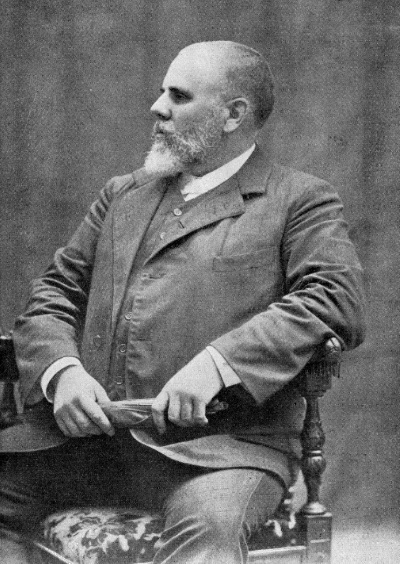
Eduardo Maristany Gibert
Eduardo Maristany Gibert (1855-1941) nació el mismo año que se aprobó la primera Ley General de Ferrocarriles en España, 1855. Pero si hubiera que encontrar algunas determinaciones más sobre su trayectoria vital, éstas serían, sin duda, que su abuelo, Manuel Gibert y Sans, fuera presidente del Ferrocarril de Barcelona a Mataró, y de los Caminos de Hierro de Barcelona a Francia por Figueres, y que se desposase con Dolores Benito Endara, hija del inspector de ferrocarriles José Benito Reoyo.
Estos precedentes y, sobre todo, que su Cataluña natal estuviera inmersa en un moderno proceso industrializador, fueron decisivos, seguramente, para que Maristany se inclinase por los estudios técnicos. Primero, cursó Ciencias Exactas en la Universidad de Barcelona, logrando el título de doctor con 17 años. Y, segundo, se graduó en 1885 en la elitista Escuela de Ingenieros de Caminos de Madrid con 24 años.
Siguiendo las pautas habituales al respecto, inició su actividad profesional incorporándose a la División de la Compañía de los Ferrocarriles del Este, en donde fue reclutado por Claudio Planás para el Ferrocarril de Tarragona a Barcelona y Francia (TBF). Durante estos años participó en la elaboración de proyectos y en la construcción de numerosas líneas ferroviarias. Fue, sin duda, la horadación del túnel de Argentera la experiencia que mayor influencia tuvo en su carrera profesional, así como en su vida personal ya que le proporcionó el título del marquesado que le otorgó Alfonso XIII en 1918. Pero, también, le llevó a redactar un texto dedicado a la construcción
de túneles, mostrando, con ello, la que sería otra de sus características más singulares: su gran capacidad para compendiar en diferentes ensayos sus experiencias profesionales o puntos de vista. No en vano, su biblioteca particular llegó a sumar miles de monografías.
Su notable éxito en esta cuestión le posibilitó pasar de jefe de construcción a subdirector de la compañía, iniciando, así, una nueva etapa como directivo. Durante los primeros años de ella participó en las negociaciones de la absorción de TBF por parte de MZA, lo que, entre otras cuestiones, le proporcionó ser nombrado administrador comisionado de la Red Catalana de MZA, forma que adquirió aquélla tras la fusión.
Se hizo cargo de la reforma de las estaciones de Barcelona y del tendido de la doble vía entre Barcelona-Mataró-Molins de Rei, pero su aportación más sobresaliente se produjo en la Conferencia Ferroviaria, convocada en 1905 por el Gobierno con el fin de persuadir a todas las partes afectadas para que resolviese de manera definitiva el problema de los precios del transporte. Maristany asumió la defensa de las compañías ferroviarias elaborando, con el rigor que le caracterizaba, respuestas concretas a cada una de las ponencias presentadas por las otras instituciones participantes, si bien todo ello conformaba una forma integral de corte liberal de entender la explotación ferroviaria. Todo este trabajo lo publicó bajo el título La conferencia ferroviaria de 1905. Estudios Económicos sobre la explotación comercial de los ferrocarriles españoles. Se trata de una antológica obra de seis volúmenes cuya entidad le hace ser el estudio global más importante realizado sobre la política comercial de las compañías ferroviarias españolas, en particular de MZA y Norte, y del entorno internacional más próximo, en particular del francés.
Durante este mismo año, Maristany publicó Impresiones de un viaje por los Estados Unidos, donde daba cuenta del viaje de estudios que realizó a dicho país para conocer sus ferrocarriles. Con ello mostraba que era un perfecto versado de lo que ocurría fuera de nuestro país, pero también que había asumido las ideas allí dominantes al respecto de cómo organizar y gestionar una compañía ferroviaria. En concreto, el ideario del ingeniero Poor, que consideraba que la eficacia en la gestión ferroviaria radicaba en contar con una división interna del trabajo, una adecuada comunicación para crear sistemáticamente un flujo de información acerca de todas las tareas llevadas a cabo en las diferentes líneas, y garantizarse la información necesaria para realizar un análisis continuo del trabajo realizado. Y, claro ésta, Maristany incorporó toda esta doctrina a su gestión de MZA, convirtiendo la estadística y la contabilidad en las piedras angulares de la toma de decisiones de los directivos, lo cual ha legado, por añadidura, una gran cantidad de información para estudiar a MZA.
Su brillante actuación y el proceso de españolización de los organismos directivos de las compañías ferroviarias hicieron posible que Maristany alcanzará el culmen de su carrera profesional cuando fue nombrado director general de MZA en 1908, sustituyendo a Nathan Süss, lo que conllevaba formar parte del consejo de administración y de los organismos directivos de la empresa. Así, se convirtió en el vértice del organigrama de la gestión de las redes, quedando auxiliado por el director adjunto, los subdirectores y por cada uno de los jefes de los servicios en que estaba organizada la explotación.
La crisis provocada en los ferrocarriles españoles por la Primera Guerra Mundial, a pesar de la neutralidad del país, derivó en el llamado Problema Ferroviario, eufemismo del cuestionamiento que sufriría el sistema concesional desde entonces. Y fue, de nuevo, Maristany quien lideraría la defensa de las concesionarias ante la opinión pública y los diferentes gobiernos. Y lo hizo intentado salvar el sistema concesional, objetivo que no logró, a pesar de desplegar todo su talento y todos sus conocimientos, ya que el Estatuto Ferroviario de 1924 posibilitó un intervencionismo público en las concesionarias que él no aceptó en modo alguno.
La «cuestión social» fue un capítulo propio donde Maristany, claramente partidario del dogmático liberal, no llegó a comprender que las relaciones laborales no se podían seguir sustentando sobre los ejes de negarse a reconocer a los representantes de los trabajadores y a aplicar una represión selectiva. Si bien es cierto que trató de modificarla parcialmente y se adaptó a la nueva coyuntura con un cierto pragmatismo.
Los últimos años de su mandato fueron especialmente complicados, ya que la crisis económica de los años treinta, la competencia de la carreta, el cambio de régimen político y la convulsión social, ubicaron a las compañías ferroviarias en una situación tremendamente difícil. Maristany dimitió como director general de MZA en septiembre de 1934 debido a su avanzada edad (79 años) y precaria salud, después de haber dedicado más de medio siglo a los ferrocarriles. Fue un magnífico defensor de los intereses de sus accionistas y obligacionistas. Pero también fue un gestor concienzudo, muy bien preparado, de análisis profundo, que se supo acompañar de buenos equipos y estableció las directrices de gobierno más adecuadas para los intereses corporativos. Fue habitual que recogiera minuciosas anotaciones de sus trabajos de campo en libretas, que luego sirvieron para componer los libros y formularios que pudieran ser útiles a sus subordinados. Vivió y tuvo su oficina en la misma estación de Atocha, y alcanzó reconocimiento por parte de sus empleados ya que más de veintitrés mil firmaron una carta solicitando a Alfonso XIII que le concediera el mencionado título de marqués de Argentera.
Como sostuvo la Gaceta de los Caminos de Hierro, «pocos casos se dan en la vida de que se elija una profesión para la cual se reúnan condiciones adecuadas y perfectas». Fue el caso de Eduardo Maristany, quien falleció el 5 de mayo de 1941, el mismo año que la creación de Renfe puso punto final a la era privada del ferrocarril español, cuya defensa le ocupó toda su vida. La única referencia que hemos encontrado en la prensa nacional es una breve y lacónica reseña necrológica publicada por ABC en su edición matinal del 6 de mayo, que, sin duda, quedó muy lejos de hacerle el honor que se merecía.