
Biographical Dictionary of Iberian Railways
Biographical Dictionary of Iberian Railways
Mário dos Santos Castelhano (May 1, 1896–October 12, 1940)
Mário dos Santos Castelhano ( Born in Lisbon, May 1, 1896; Died in Tarrafal, October 12, 1940). Anarcho-syndicalist activist. Railroad worker, CP employee, union organizer, and journalist. He joined the Portuguese Railway Company (CP) at age 14. He was promoted to office clerk at the same company. He participated in the railway strikes of 1911, 1918, and 1920. He opposed the leasing of state-owned rail lines to CP. Following the last strike, he left CP. He served on the committees of the Railway Federation and helped organize the First Railway Congress. He was the last coordinator of the CGT before it was outlawed. He was editor of the newspapers *A Federação* and *O Rápido*.He was arrested in October 1927 and deported to Angola. He remained in the town of Seles until December 1929. He was moved to the Azores in September 1930 and arrived in Pico on October 16. Transferred to Madeira, he participated in the 1931 Uprising. Following the defeat of the Madeira uprising, he managed to return to Lisbon clandestinely aboard the ship Niassa. He was arrested on January 14, 1934, and imprisoned at the Trafaria prison. At that time, he was a member of the committee organizing the strike of January 18 of that same year. While incarcerated at the Trafaria prison, he was sentenced on March 8, 1834, to 16 years of exile. He was then sent to the fortress of Angra do Heroísmo.
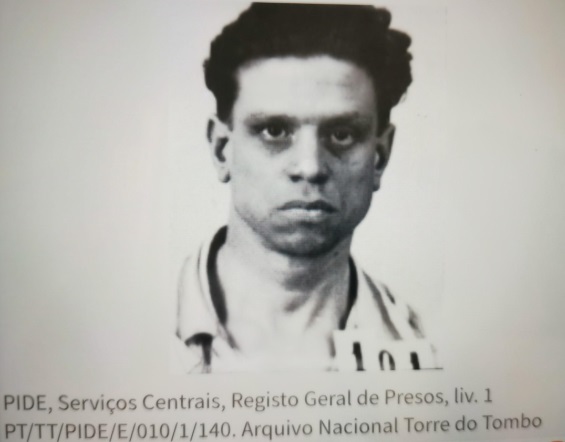
The creation of the Tarrafal Penal Colony by the decree of April 23, 1936, allowed the Salazar regime to remove prisoners from the country. They were transported in the holds of the ship Luanda, which docked on October 29 in Tarrafal Bay. Upon arrival, they had to carry their luggage four kilometers. Conditions at the Penal Colony, established by Decree No. 26,539 of April 23, 1936, were extremely poor; the water was unfit for consumption and in short supply, as was the food. The prisoners were housed in tents before they built their own facilities. The lack of adequate medical care led to the deaths of 32 prisoners. Mário dos Santos Castelhano died on October 12, 1940.