Tres monografías sobre el periodo de Renfe
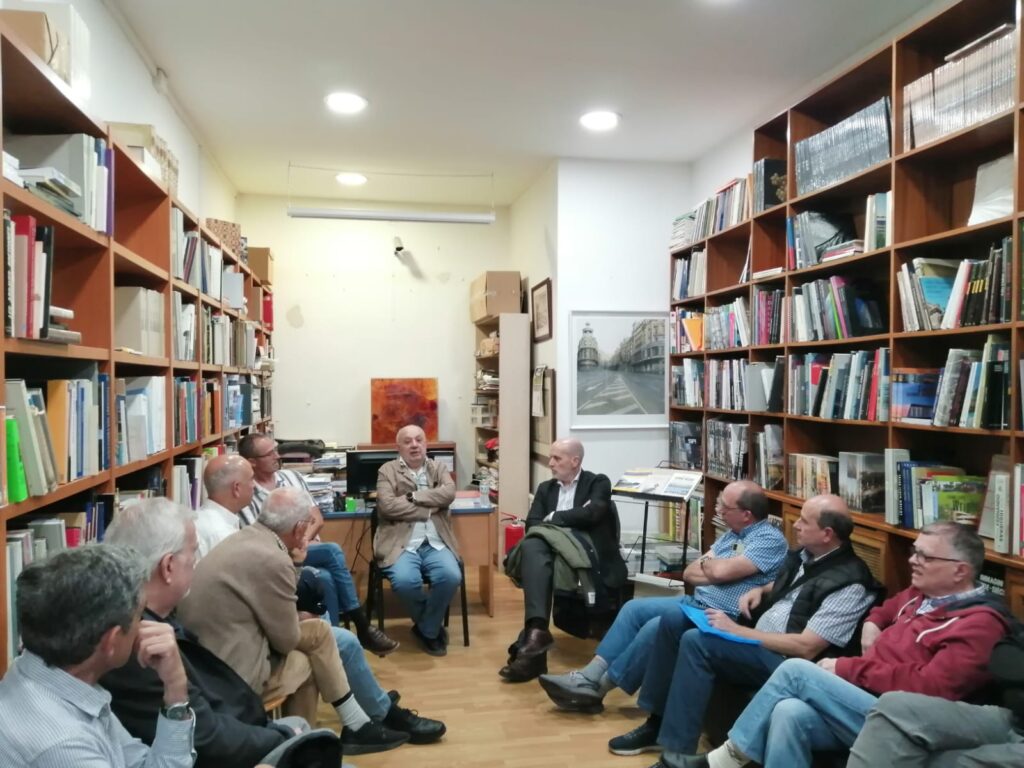
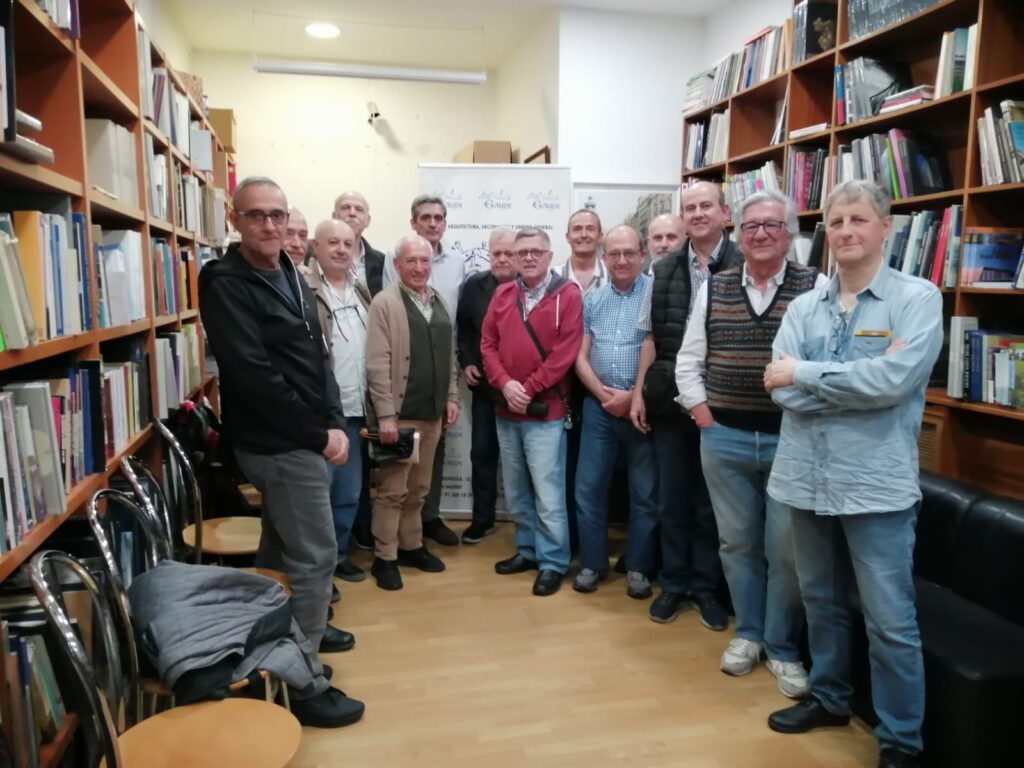
El pasado 7 de mayo de 1926, se celebró el primer ferro-encuentro bibliográfico o ferro-tertulia en la librería Gaudí sobre tres monografías que tenían en común la historia de Renfe. La actual propietaria de la librería, Conchita, dio la bienvenida a los asistentes y expresó su deseo de que ésta, después de medio siglo suministrando libros ferroviarios a tres generaciones de lectores, pudeda añadir ahora con estos encuentros un estímulo nuevo a la lectura.
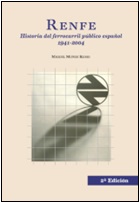
La primera de las monografías convocadas, RENFE. Historia del ferrocarril público español, 1941-2004, consituye una historia global de la empresa pública, resultado de la actualización de la tesis doctoral de se su autor Miguel Muñoz Rubio. En su breve intervención, Muñoz destacó que mantiene el esquema de la obra original, si bien esta nueva edición incorpora buena parte de las investigaciones que ha llevado a cabo durante estos treinta años transcurridos. No obstante, hizo hincapié en que se ocupa exclusivamente del periodo durante el cual Renfe existió como tal, es decir, entre 1941, año de su creación, y 2005, año en que se segregó en las actuales Renfe
Operadora y Adif, residiendo su principal novedad en el capítulo dedicado a analizar las políticas ferroviarias aplicadas desde 1978. Muñoz destacó como el ferrocarril público ha tenido que ir adaptándose a un escenario determinado por la pérdida de su papel hegemónico y la imposición de las leyes del mercado.
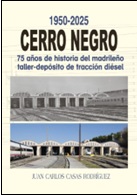
La segunda monografía, Cerro Negro 1950-2025. 75 años de historia del madrileño taller-depósito de tracción diésel, es un libro de Juan Carlos Casas Rodríguez que, al contrario del anterior, se ocupa de una cuestión muy concreta. En efecto, como el autor señaló, narra de una manera minuciosa la construcción y los acontecimientos que se han sucedido en el taller-depósito de tracción diésel de Madrid-Cerro Negro hasta el momento de su 75 aniversario en el año 2025. En veinte capítulos sus páginas las protagonizan los TAF, los TER, “los camellos” y los automotores diésel más modernos de Renfe, los trenes de las series 594, 598 y 599. Y todo ello apoyado con muchos testimonios recogidos por el autor de ferroviarios que han trabajado en este taller-depósito del barrio de Entrevías. Con dieciséis páginas de fotografías cuya procedencia son el Archivo Histórico Ferroviario (FFE) y la colección del propio autor, recoge desde el proyecto original del año 1950 hasta las modificaciones introducidas en su configuración ya en este siglo XXI. En Cerro Negro llegaron a trabajar alrededor de 500 ferroviarios y allí creció un fuerte movimiento sindical desde una década antes de la muerte de Franco.
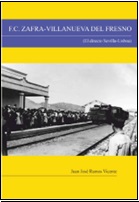
Y, por último, Juan José Ramos presentó su monografía Ferrocarril Zafra-Villanueva del Fresno (1932-2025) subrayando que esta línea se proyectó, desde su gestación, con vocación internacional a propuesta de la comisión encargada de su confección en junio de 1927, donde se eligió como punto de paso fronterizo en las proximidades de Mourâo, una línea que uniese Zafra con Évora a través de Villanueva del Fresno. La principal razón de ser de esta conexión era unir Sevilla con Lisboa sin necesidad de llegar hasta Badajoz, acortando así en unos 100 km la unión de ambas ciudades. Debido a diversas causas, esta modesta línea quedó como un ramal que unió la industriosa ciudad de Zafra con la importante e histórica villa de Jerez de los Caballeros. En el libro se analizan los motivos para su construcción, entre los que figuran las importantes explotaciones mineras y la industria siderúrgica o cementera. La línea transcurre por una de las mayores zonas adehesadas de Extremadura, con una gran riqueza paisajística que apenas ha sufrido cambios en su ecosistema.
A continuación se abrió un debate en el que, sin guion alguno, se abordaron numerosos temas de actualidad. Sin duda, uno de los que acapró más interés tuvo que ver con la actual situación que atraviese el ferrocarril público español, caracetrizada por Muñoz con el aforismo «de los días azules a los días negros». Cuestiones relacionadas con el uso energético, la comercialización, el predominio del mercado sobre las necesidades sociales o la pérdida de una cultura, tal vez en vías de extinción, estén detrás de esta situación. Como corresponde a un tertulia, no se llegó a conclusión alguna, sino tan solo a una libérrima aproximación a los hechos, aunque, eso sí, todos los asistentes expresaron su deseo de que el ferrocarril siga siendo un medio de transporte esencial y de que recupere cuanto antes el prestigo que no hace mucho tiempo alcanzó.