
Ha fallecido Antonio Plaza, historiador social y socio de ASIHF
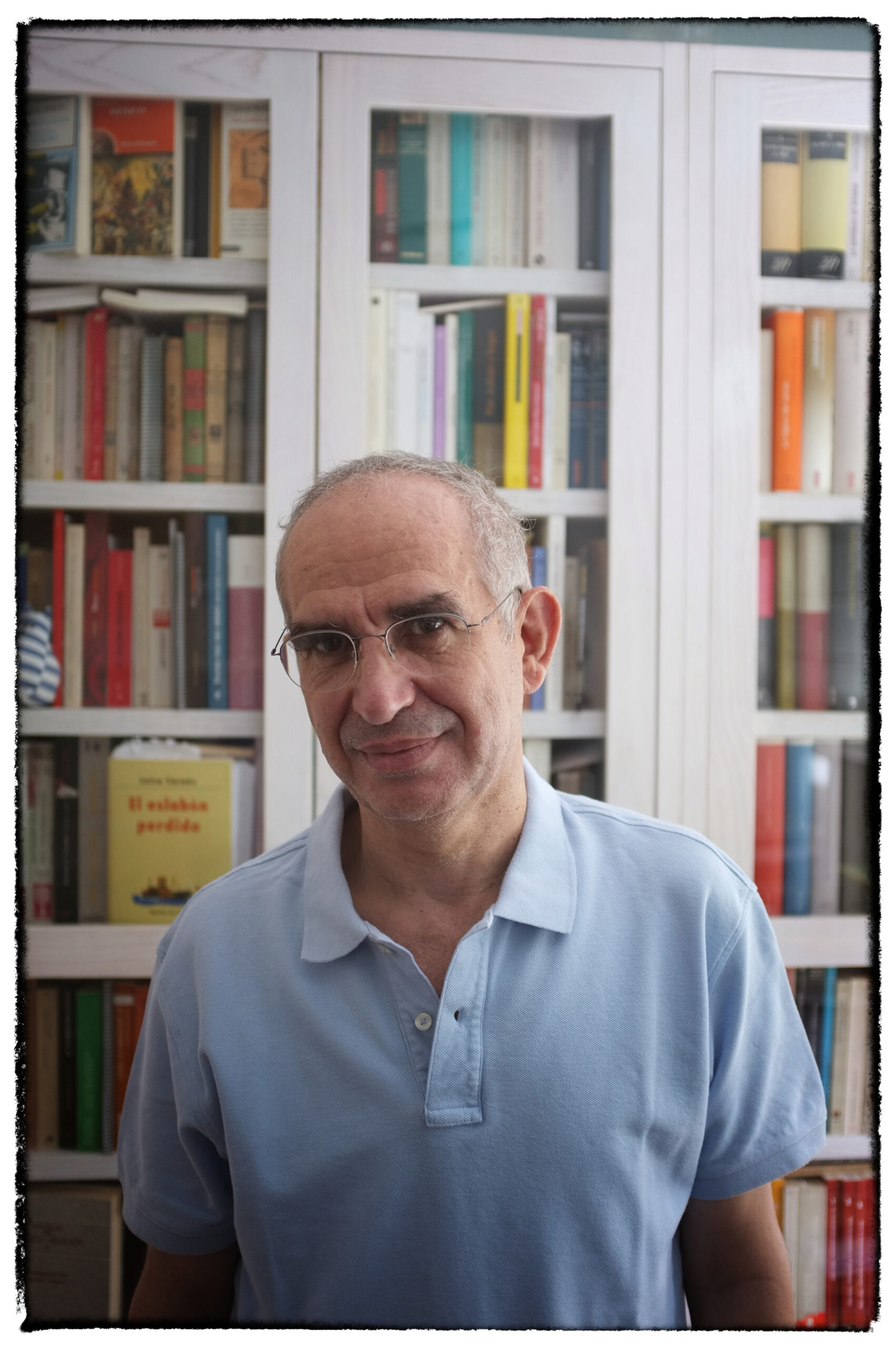
El pasado martes 10 de junio falleció Antonio Plaza, socio de ASIHF desde su constitución y uno de los grandes historiadores sociales del ferrocarril. Conocí a Antonio a principios de siglo, cuando acudió al Archivo Histórico Ferroviario en búsqueda de documentación para llevar a cabo su tesis doctoral. Pronto entablamos una gran amistad y pronto, también, pasó a formar parte de la comunidad que estábamos creando naturalmente muchos investigadores, resultado de la cual surgió nuestra asociación.
Hay que recordar que, desde entonces, participó en muchas de las actividades que llevamos a cabo desde el Programa de Historia Ferroviaria de la FFE, como los congresos, seminarios, y la publicación de artículos en TST y libros, de lo cual queda como recuerdo esta intervención en el IV Congreso de Historia Ferroviaria (Málaga, 2006).

Antonio nació en Bustarviejo en 1951 y se dedicó a la enseñanza, alcanzando en ella el rango de catedrático en el Instituto de Enseñanza Secundaria Blas de Otero, ubicado en el madrileño barrio de La Latina. Pero además de esta vocación, Antonio llevaba en su carácter la impronta del oficio de historiador. Una impronta completamente ajena al academicismo en la que se ha convertido esta práctica. Para él la Historia era un compromiso con una serie de valores que estaban fuera de este ámbito. Por ello dedicó una gran parte de su vida investigadora a los trabajadores, cuando este tema había desaparecido de la agenda.
Su gran investigación fue el sindicalismo ferroviario español anterior a 1936, que, bajo la dirección de uno de los grandes historiadores españoles Mauel Pérez Ledesma, presentó en la Universidad Autónoma de Madrid como tesis doctoral, la cual recibió el Premio Extraordinario de la Facultad de Filosofía y Letras 200-2004 de dicha universidad, y que, como éste señaló en la presentación de su publicación, pasó a ocupar «un lugar destacado en la historia social contemporánea que, poco a poco y a pesar de los altibajos, vamos construyendo entre todos». La tesis fue publicada, en efecto, por la FFE en 2012 en su Colección de Historia Ferroviaria con el título El sindicalismo ferroviario en España: de las sociedades mutualistas a los sindicatos de industria (1870-1936). No sólo fue el primer trabajo hecho sobre el sindicalismo ferroviario, sino que, dada su calidad, ha pasado a ser la monografía constituyente de esta área de investigación.
Otra de sus grandes aportaciones fue el estudio de la biografía y obra de Luisa Carnés, componente de Las Sinsombrero, mediante la publicación de varios libros, capítulos de libros y artículos, que han sacado del silencio a una mujer cuyas aportaciones al feminismo y a la cultura fueron muy significativas. Esta circunstancia le llevó a adentrarse en la historia cultural con trabajos dedicados al teatro y la música. Me dice su hija Mónica, que en octubre se publicará una obra, ahora póstuma, dedicada a Luisa Carnés. Será el momento de rendirle un merecido homenaje.
Antonio era una persona entrañable, humilde y bondadosa, y un incansable trabajador, lo que le hizo acreedor con suma facilidad del cariño y respeto de todos cuantos le conocimos. Pero, también, era una persona de firmes convicciones que defendía con pasión e inteligencia. Su contribución a la memoria de los trabajadores es destacadísima y su quehacer como historiador ferroviario le convierte en un ejemplo a seguir. Le echaremos de menos, pero le recordaremos como un buen amigo con el que podíamos contar siempre y como un gran historiador social. Sit tibi terra levis.
Miguel Muñoz Rubio
12 de junio de 2026